

The Thrill of High-Stakes Gaming
High-stakes casino games offer an adrenaline rush that few other activities can match. The psychology behind the thrill lies in human emotions and the anticipation of winning big. Gamblers often experience a heightened state of excitement, which is fueled by the potential for substantial financial gain. This emotional high can sometimes cloud judgment, leading players to make impulsive decisions that are not grounded in rational thinking. For those seeking opportunities, the appeal of a non gamstop casino can further enhance the thrill of high-stakes gaming.
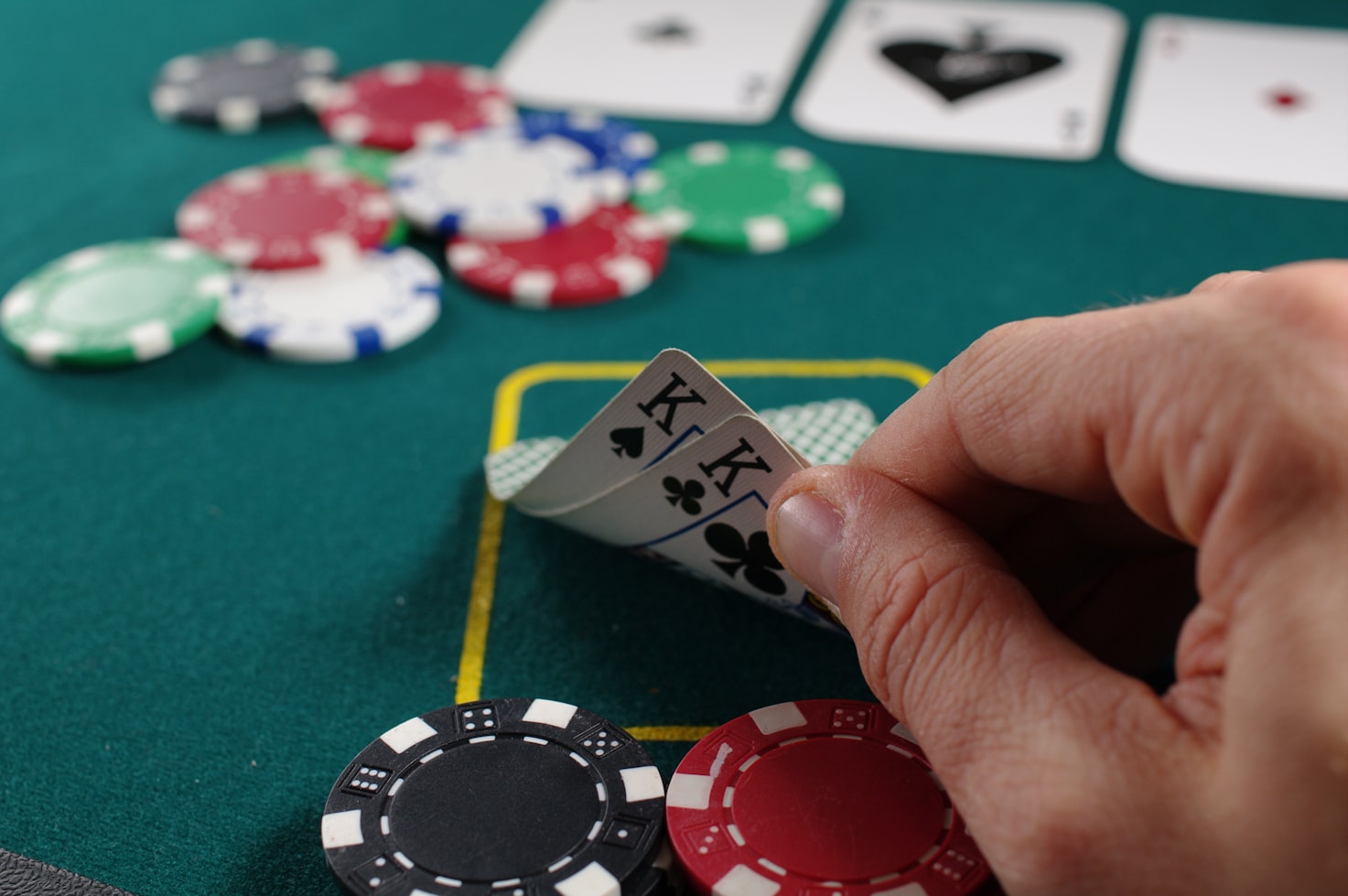
The setting of a casino itself plays a crucial role in amplifying these feelings. With bright lights, captivating sounds, and an atmosphere filled with excitement, players can easily become absorbed in the experience. This sensory overload enhances their emotional state, making the potential payout feel even more enticing. For many, the thrill of gambling transcends just the financial reward; it offers an escape from everyday life and taps into deeper psychological needs for stimulation and risk-taking.
The Role of Risk and Reward
Understanding the psychology of high-stakes games involves examining the intricate relationship between risk and reward. The prospect of winning substantial sums of money creates a powerful motivation, drawing players to engage in high-stakes gambling. However, the potential for loss is equally significant, leading to a complex emotional landscape where players often weigh their choices based on perceived risks and rewards. This dynamic is particularly evident in games like poker and blackjack, where strategic thinking and psychological warfare come into play. Players must not only consider their own hands but also assess their opponents’ behaviors and tendencies. This dual focus on both risk management and psychological insight can lead to heightened stress levels, but for many, the thrill of navigating these risks is what makes the game so compelling.
The Impact of Cognitive Biases
Cognitive biases play a pivotal role in the decision-making processes of high-stakes gamblers. One common bias is the illusion of control, where players believe they can influence outcomes in games of chance. This misconception can lead to overconfidence, prompting individuals to engage in riskier bets than they normally would. Such biases can distort reality, making it challenging for gamblers to assess their true odds of winning. Another prevalent bias is the gambler’s fallacy, where individuals believe that past outcomes influence future results. For example, a player may assume that after a series of losses, they are “due” for a win. This thinking can create a cycle of hope and despair, as players chase their losses in an attempt to recover their initial stake. Recognizing these cognitive traps is essential for understanding the psychology behind high-stakes gambling and the risks involved.
The Emotional Rollercoaster of Winning and Losing
The emotional journey of a high-stakes gambler can be likened to a rollercoaster ride. Winning can elicit feelings of euphoria and validation, while losing can trigger anxiety, regret, and even despair. These emotional highs and lows not only impact individual behavior but can also influence social interactions and relationships outside the casino environment. Many gamblers experience a sense of identity tied to their successes and failures at the tables. Winning can enhance self-esteem and social status, while persistent losses may lead to feelings of shame or inadequacy. This emotional interplay can have profound effects on a gambler’s mental health, as the cyclical nature of winning and losing takes its toll over time.
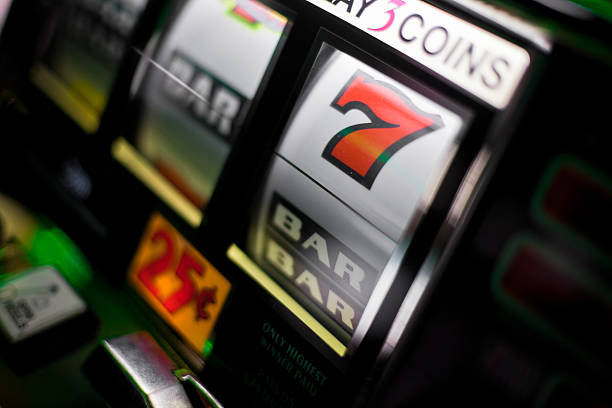
Ensuring a Safe and Responsible Gaming Environment
Our website is dedicated to providing insights and guidance on safe gaming practices. We understand that while the allure of high-stakes casino games can be captivating, it is crucial to approach gambling responsibly. By emphasizing the importance of understanding the psychological factors at play, we aim to foster a safer gambling environment for all users. In addition to providing resources on responsible gaming, we also emphasize the necessity of robust security measures to protect against online threats. If users encounter any access issues while exploring gaming options, we encourage them to reach out for support. Our commitment is to ensure a secure and enjoyable experience while promoting an understanding of the complexities surrounding high-stakes gambling psychology.